









- Support
- Who we help
- Focus areas

 Emotions & Mental HealthSupport for mood and wellbeing
 RelationshipsImprove connection and trust
 TraumaHeal from traumatic experiences
 NeurodiversitySupport tailored to diverse thinking
 Identity & Personal GrowthExplore who you are and grow
 Life Changes & LossCoping with change and loss
 Mind, Body & HealthHealth inside and out
- What to expect
- Resources
- About
Vicarious Trauma: Managing Exposure to War and Conflict
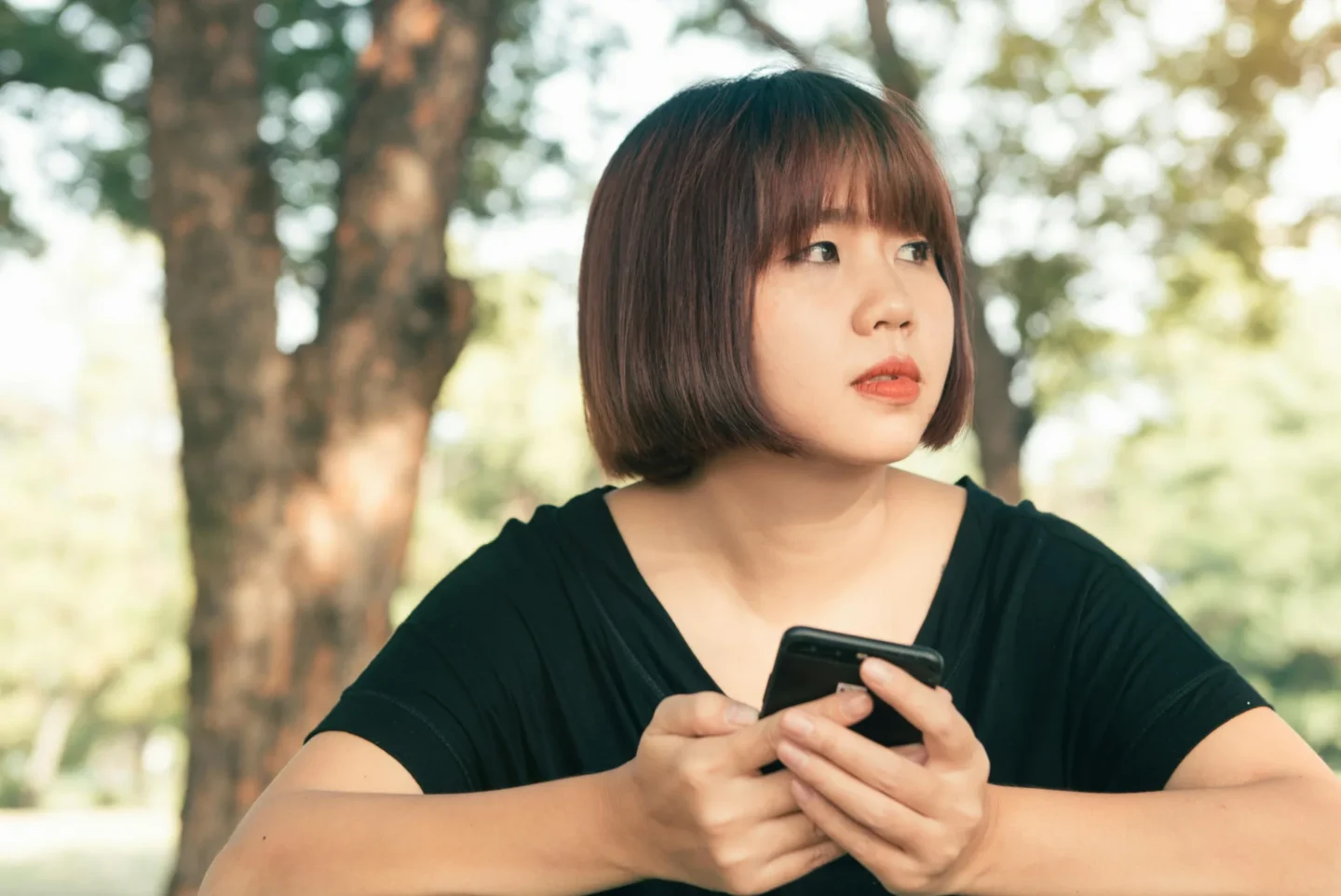
You open your phone in the morning and within seconds you are scrolling through images and updates about conflicts happening around the world. The scale of what you are seeing can be difficult to comprehend. You might pause on a particular image or story and feel a heaviness settle in your chest.
Then the day continues. Work meetings, errands, conversations, the normal rhythms of daily life. Yet that heaviness does not fully leave. It lingers in the background, building with each news update or moment spent scrolling through coverage that feels difficult to look away from, but also difficult to keep witnessing.
For many people, this experience reflects a psychological response to repeated exposure to other people’s suffering through media and news coverage. Some people notice reactions that resemble aspects of what is known as vicarious trauma. While you may be physically safe and geographically distant from the events themselves, your mind and nervous system are still responding to distressing material.
With multiple wars and humanitarian crises dominating global news, many people are carrying emotional weight they do not quite know how to name or manage. If this experience feels familiar, you are not alone. What you are feeling is a very human response to sustained exposure to difficult and distressing events.
What vicarious trauma actually refers to
Vicarious trauma, sometimes referred to as secondary trauma, was originally used to describe the psychological impact experienced by professionals who work closely with trauma survivors. Psychologists, social workers, journalists, healthcare workers, and emergency responders may hear detailed accounts of traumatic events repeatedly as part of their work, and over time this exposure can influence how they experience the world.
In recent years, psychologists have increasingly recognised that repeated exposure to traumatic events through media and digital platforms can produce similar emotional and cognitive responses in the broader community. Social media, news alerts, and video footage now bring distressing material into people’s daily lives far more frequently than in previous generations.
Repeated exposure to graphic or emotionally intense content can affect the nervous system and contribute to symptoms such as intrusive thoughts, emotional overwhelm, disrupted sleep, difficulty concentrating, and a growing sense that the world feels unsafe or unstable.
Why exposure to modern conflict coverage can feel overwhelming
Several aspects of modern media make exposure to conflict particularly difficult to process.
One factor is the sheer volume and immediacy of information. Digital platforms allow people living in conflict zones to share their experiences in real time. While this can increase global awareness and connection, it also means many people are encountering distressing material far more frequently than they might have in the past. Images and videos can appear suddenly while scrolling through social media, often without warning or context.
Another factor is the sense of helplessness that often accompanies witnessing large-scale suffering. Many people feel a strong emotional response to what they see and believe that the suffering they are witnessing is deeply unjust. At the same time, they may recognise that their ability to influence events is limited.
This experience is sometimes described as moral distress. It occurs when a person’s values and empathy are strongly activated but meaningful action feels constrained. The tension between caring deeply and feeling unable to change the situation can create significant emotional strain.
How this type of distress can show up
For many people, the impact of repeated exposure to distressing global events develops gradually. It may not immediately be obvious that these reactions are connected to news or social media consumption.
Some people notice emotional changes such as persistent sadness, anxiety, or a lingering sense of heaviness that does not easily lift. Others describe feeling emotionally numb or disconnected from their own reactions. Irritability can increase, and everyday frustrations may feel harder to tolerate. There can also be moments of guilt about living a safe or comfortable life while others are experiencing extreme hardship.
Changes in thinking are also common. People may find that images or stories they have seen online return to their mind unexpectedly. Concentration can become more difficult and the future may begin to feel uncertain or bleak. Some people notice that they feel increasingly preoccupied with news coverage even when they are not actively reading it.
Distress can also affect daily functioning. Sleep may become disrupted and it may be harder to fully relax. Some people withdraw socially or find it difficult to be present with loved ones. Others notice a pattern of repeatedly checking news updates or social media even when they recognise that doing so increases their distress.
Physical symptoms can also emerge. These may include headaches, muscle tension, digestive discomfort, fatigue, or a persistent sense of being on edge.
The experience for people with direct connections
While anyone can be affected by repeated exposure to distressing global events, the impact can be significantly more intense for people who have cultural, familial, or personal connections to the regions involved.
For these individuals the experience is not simply one of witnessing events from afar. It may involve worrying about family members, grieving for places and communities that are personally meaningful, and navigating complex social or political conversations in everyday life.
In these circumstances the emotional experience may be closer to direct trauma or collective trauma rather than vicarious exposure alone. Support that is culturally informed and sensitive to these realities can be particularly important.
Finding ways to reduce the psychological impact
There is no simple solution when distressing global events are ongoing. However, several approaches can help protect emotional wellbeing.
One helpful step is setting boundaries around how and when news is consumed. Staying informed does not require constant exposure. Some people find it useful to check news at particular times of the day rather than continuously scrolling. Others choose to rely more on written reporting rather than graphic imagery or videos.
Another important distinction is the difference between awareness and immersion. It is possible to care deeply about what is happening in the world without repeatedly exposing yourself to traumatic material. Remaining informed does not require watching every video or reading every detailed account.
Addressing feelings of helplessness can also help reduce emotional strain. While no individual can resolve global conflicts, identifying actions within one’s own sphere of influence can sometimes restore a sense of agency. This might involve supporting humanitarian organisations, learning about the historical and political context of events, participating in informed discussions, or offering support to people within one’s community who are directly affected.
When distressing content activates the nervous system, grounding strategies can also be helpful. Physical movement, time in nature, breathing exercises, and activities that fully engage attention can help regulate emotional responses and allow the nervous system to settle.
Maintaining connection with supportive people and continuing to engage in meaningful activities also plays an important role. Caring about the world does not require abandoning your own wellbeing. In fact, sustaining empathy and engagement over time often depends on protecting your own psychological balance.
When professional support may help
If distress related to conflict exposure begins to significantly affect sleep, relationships, daily functioning, or overall wellbeing, professional support can help.
Therapy can provide a space to explore how exposure to distressing events is affecting you and to develop strategies for staying informed without becoming overwhelmed. It can also help people process feelings of helplessness, fear, or moral distress that may arise when witnessing suffering on a large scale.
The bottom line
Repeated exposure to war and conflict through digital media can have real psychological effects. Feeling overwhelmed, distressed, or emotionally affected by what you are witnessing does not mean that you are weak or unable to cope. It reflects empathy and a nervous system responding to sustained exposure to human suffering.
It is possible to remain informed and compassionate while also protecting your mental health. These two goals are not in conflict. In many cases, caring for your own wellbeing is what allows you to stay engaged with the world in a sustainable way.
If exposure to global events is affecting your daily life, sleep, or relationships, support may help you find ways to remain informed while protecting your emotional health.
Seed Psychology offers in-person appointments in Brunswick East and online sessions throughout Victoria.

Acknowledgment of Country
Our Team at Seed Psychology acknowledges the Traditional Owners of the land on which we work, the Wurundjeri people of the Kulin Nation. We pay our respects to Elders past and present.